Does Your Vehicle Need ADAS Calibration After a Windshield Replacement?
Why ADAS Calibration Matters After Windshield Replacement
Windshield replacement can seem routine, but for modern vehicles equipped with advanced driver-assistance systems (ADAS), it often triggers a critical follow-up: calibration. Cameras, sensors, and radar units mounted on or near the windshield provide lane-keeping, automatic emergency braking, adaptive cruise control, and more. When the windshield is removed or replaced, the precise positioning and optical alignment of those components can shift, potentially degrading system accuracy. Understanding when calibration is necessary, what it involves, and the risks of skipping it helps drivers protect safety and avoid unexpected repair costs.
When Is ADAS Calibration Required After Windshield Replacement?
Most manufacturers recommend calibration whenever a camera or sensor’s relative position changes, which commonly happens during windshield replacement. Even minor variations in windshield thickness, curvature, or mounting height can alter camera sightlines or sensor fields of view. Calibration is typically required if the windshield replacement involves cameras mounted to the glass, if sensor housings were disturbed, or if vehicle body panels near sensors were adjusted. Check your vehicle’s service manual or consult a qualified technician for model-specific guidance.
What Does the Calibration Process Involve, and How Long Does It Take?
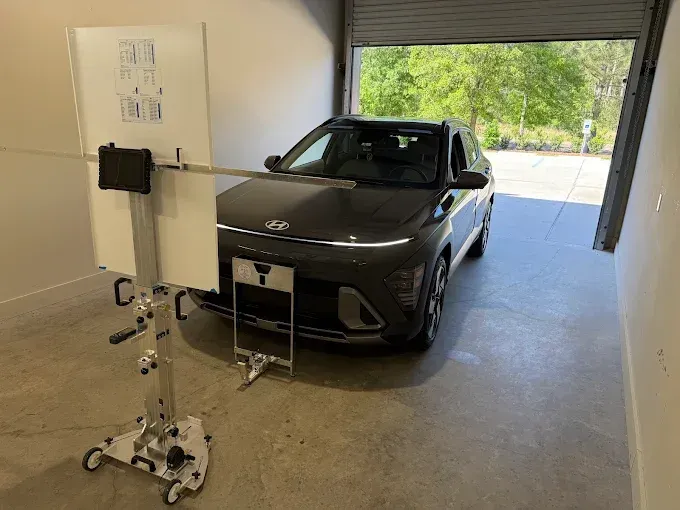
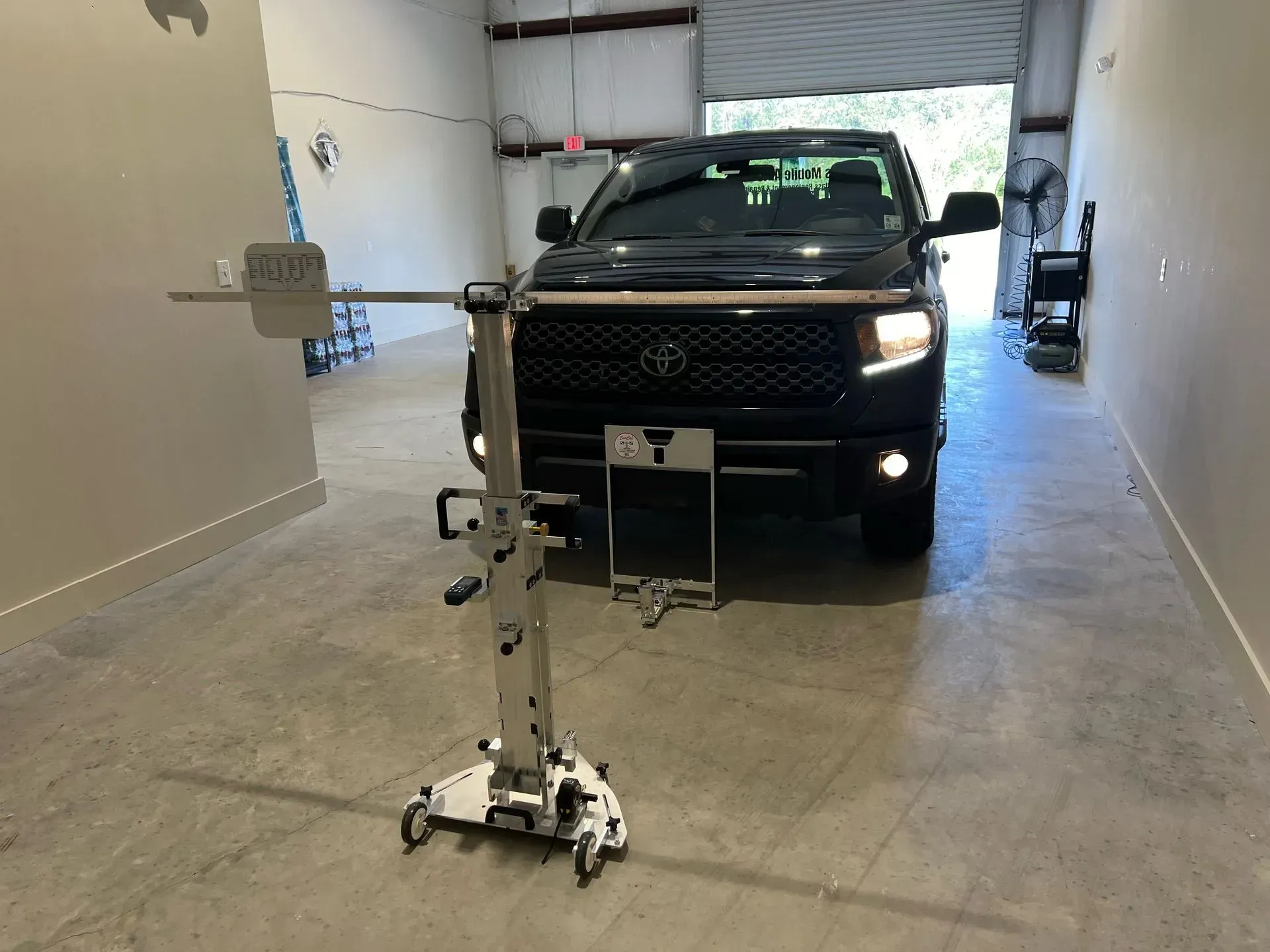
ADAS calibration aligns the vehicle’s camera and sensor systems to OEM specifications. There are two main types: stationary (static) calibration, which uses targets placed at measured distances in a controlled environment, and dynamic calibration, which involves driving under certain conditions while the vehicle’s systems self-adjust. The process can take from 30 minutes to several hours, depending on equipment, vehicle complexity, and whether dynamic calibration is needed. Reliable shops use diagnostic tools and OEM targets to ensure accuracy; improper or incomplete calibration can leave systems misaligned.
What Are the Risks of Not Calibrating ADAS After Windshield Replacement?
- Impaired Safety Features: Misaligned cameras or sensors can produce false alerts, delayed warnings, or failed interventions for lane-keeping, AEB, and adaptive cruise systems.
- Increased Liability and Insurance Issues: If an accident occurs and ADAS was not calibrated after windshield work, liability determinations and insurance claims can become complicated.
- Higher Long-Term Costs: Incorrectly set systems may lead to repetitive repairs or component damage, ultimately costing more than proper calibration up front.
- Failed Inspections or Warnings: Some vehicles will display fault codes or warning lights when ADAS parameters are out of spec, necessitating immediate service.
- Voided Warranties: Skipping recommended calibration may void certain manufacturer warranties related to ADAS components.
How Can Vehicle Owners Ensure Proper ADAS Calibration?
- Ask the Shop: Before windshield replacement, confirm whether technicians are trained and equipped to handle ADAS calibration for your make and model.
- Verify OEM Procedures: Ensure the shop follows manufacturer-specific calibration procedures and uses approved tools or targets.
- Request Documentation: Get written confirmation that calibration was performed, including diagnostic readouts or calibration reports.
- Choose Experienced Technicians: Prefer repair centers with ADAS certification and experience working with your vehicle’s systems.
- Recognize Warning Signs: If ADAS alerts become frequent, steering assistance behaves oddly, or warning lights appear after windshield service, have the system checked promptly.
What Should You Expect After Calibration?
After proper calibration, ADAS features should operate within normal parameters—warnings should be accurate, lane-keeping should center correctly, and automatic braking should engage appropriately. Some systems may require a short break-in period or passenger-free driving during initial dynamic calibration. Keep records of the calibration service for resale value and future diagnostics. If any concerns persist, return to the calibrating facility for re-evaluation rather than attempting home adjustments, which can lead to errors and higher costs.
Do You Need ADAS Calibration in Covington, LA?
If you have a damaged windshield in
Covington,
Hammond,
Mandeville, or
Slidell, LA, or if your
ADAS systems are malfunctioning,
contact us at Hunter’s Auto Glass. We offer insurance assistance to help your claim move through the system quickly and smoothly. Hunter’s Auto Glass is locally owned and has been replacing and calibrating windshields in the Covington, LA area for years.
Click here to see our Google reviews!