7 Things to Know About Auto Glass Tinting
Car Window Tinting: What You Need to Know
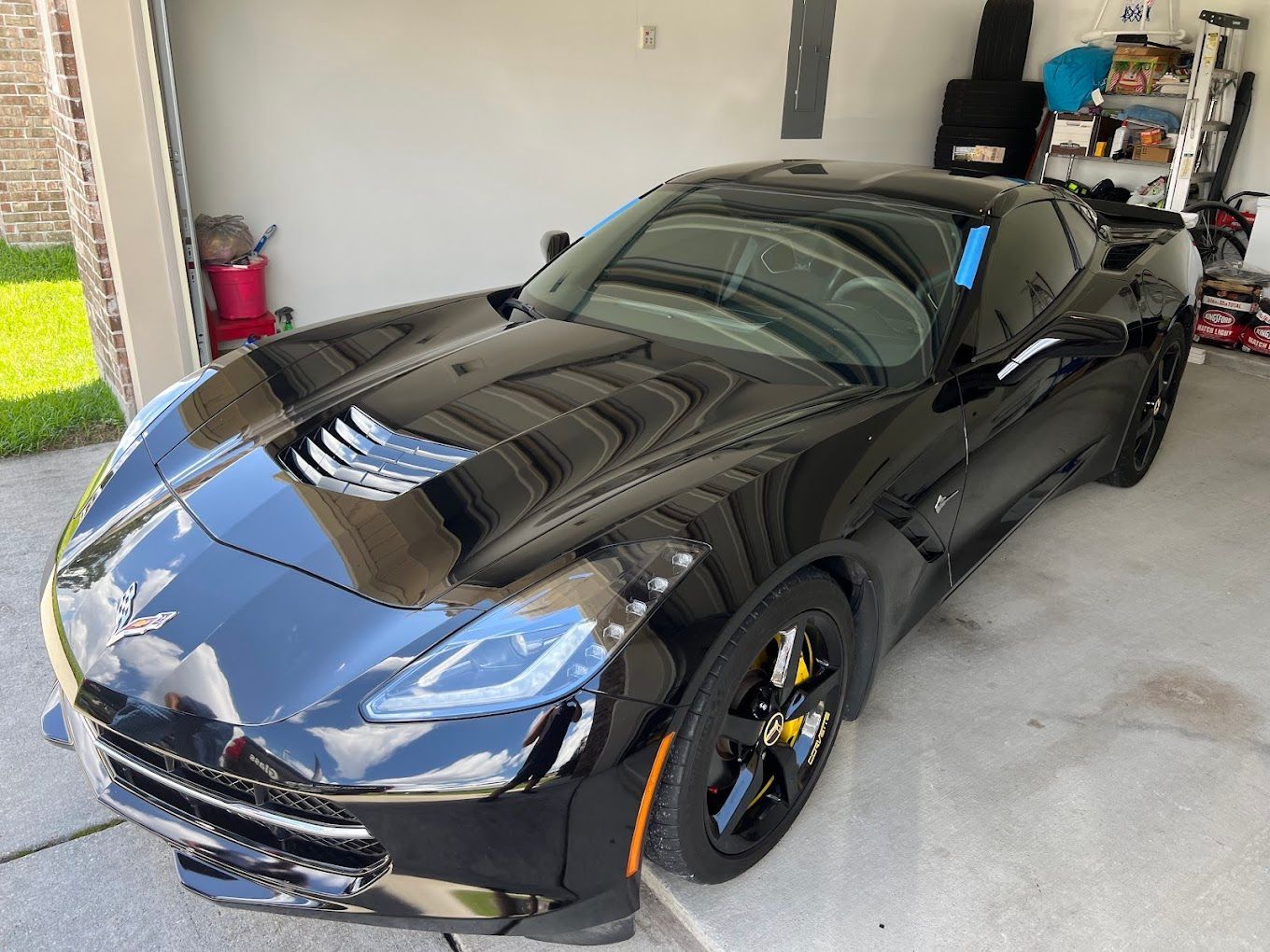
Auto glass tinting enhances a vehicle’s comfort, privacy, and protection while changing its appearance. Before you commit, understand the materials, performance metrics, legal limits, and maintenance needs to get the results you expect and avoid surprises after installation.
Performance and Comfort Benefits
Tinted auto glass reduces solar heat gain, cuts glare, and blocks a high percentage of ultraviolet radiation, improving driver comfort and protecting interior trim from fading. High-performance films—particularly ceramic and advanced hybrid types—deliver superior heat rejection without significantly reducing visible clarity, which is important for daytime driving and dashboard visibility. Film selection affects visible light transmission (VLT), heat rejection, and potential interference with in-car electronics. Choosing the right film for your climate and driving habits maximizes comfort and fuel-efficiency gains by reducing the air-conditioning load.
Legal Considerations and Night-Time Visibility
Tint laws vary across states and countries and typically specify allowable VLT for windshields, front side windows, rear side windows, and rear windows, as well as limits on reflectivity. Selecting an appropriate VLT for front windows and windshield strips is critical. Always verify local vehicle codes before installation to ensure compliance with both tint darkness and reflective properties.
Seven Essential Points for Auto Glass Tinting
- Film Types: Ceramic, metallic, dyed, and hybrid films each offer different balances of heat rejection, signal interference, and cost—ceramic typically provides the best heat rejection with minimal radio or GPS interference.
- UV Protection: Quality automotive films commonly block up to 99% of UV-A and UV-B rays, helping prevent skin damage and slowing the fading of seats, dashboards, and upholstery.
- Visible Light Transmission (VLT): VLT percentages define how much visible light enters the cabin; lower VLT provides more privacy and glare reduction but may compromise night visibility.
- Heat Rejection Ratings: Look for films with high solar heat rejection (SHR) or low solar heat gain coefficient (SHGC) to reduce interior temperatures and lessen air-conditioning strain.
- Warranty and Longevity: Reputable automotive films often include warranties covering peeling, bubbling, discoloration, and adhesive failure—confirm warranty duration and whether it transfers with vehicle ownership.
- Cost Versus Value: Upfront costs depend on film quality, the vehicle’s window geometry, and labor. Investing in higher-quality film and a professional installer typically yields longer-lasting performance and better long-term value.
- Installation Risks: Improper installation or inferior materials can cause bubbles, creases, edge lift, and optical distortion. Attempted DIY installs commonly introduce errors that end up costing more to correct.
Installation Process and Timing
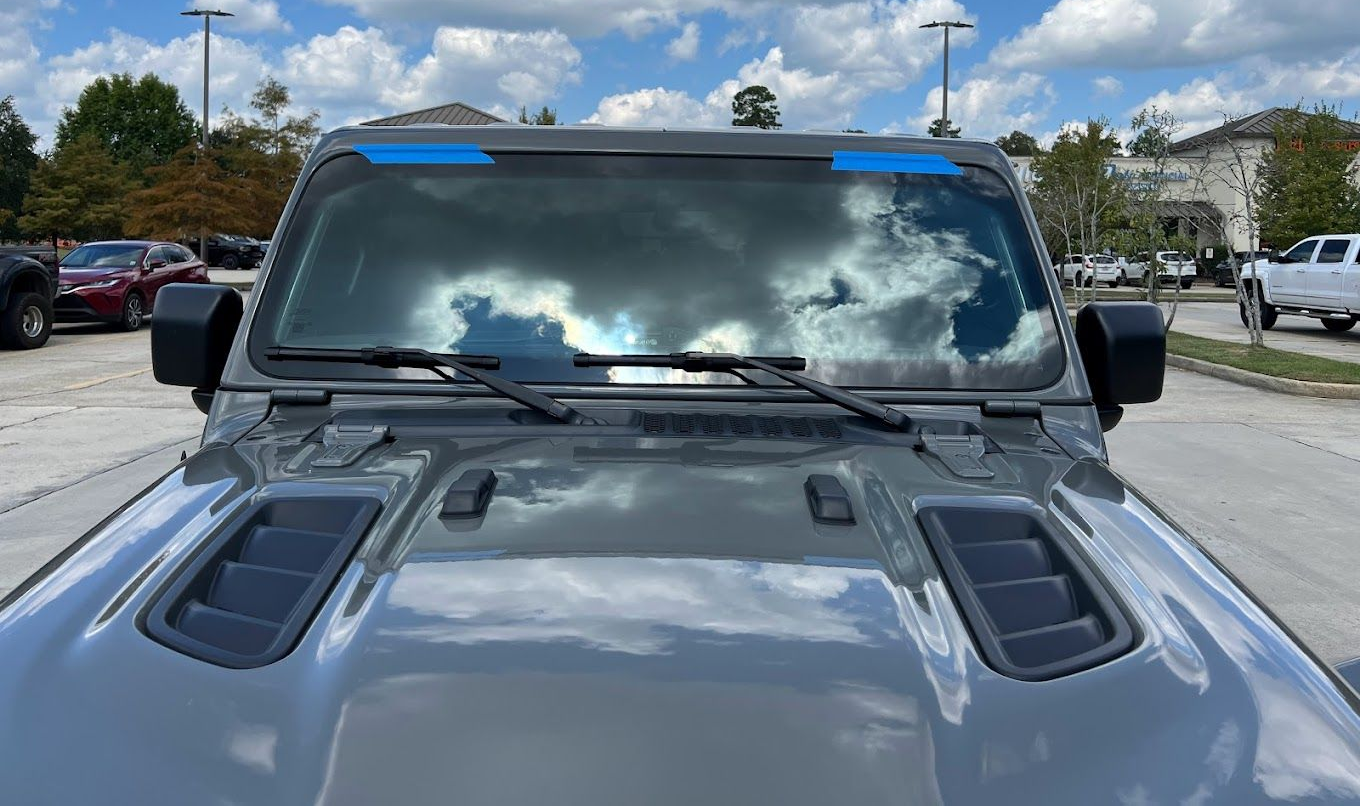
Professional installers clean and prepare glass surfaces, precisely cut film for each pane, and use heat and squeegees to ensure smooth adhesion and edge sealing. Windshield trim strips or top-of-windshield bands may be offered to meet local regulations or driver preferences. Newly applied film requires a curing period during which the adhesive sets; avoid aggressively cleaning or rolling down windows until the manufacturer-recommended curing time has passed to prevent edge lift or wrinkling.
Aftercare and Maintenance
Maintain tinted auto glass with non-abrasive, ammonia-free cleaners and a soft microfiber cloth to avoid scratching or degrading adhesives. Regularly inspect edges and corners for lifting, bubbling, or discoloration—addressing defects early may keep issues under warranty. If electronic interference with radio, GPS, or remote keyless entry occurs after installation, consult the installer. Selecting non-metallic films reduces the risk of signal problems. Proper care prolongs appearance and functional benefits, preserving privacy, UV protection, and heat rejection over time.
Are You Considering Tinting Your Vehicle’s Windows in Covington, LA?
If you are considering tinting your vehicle’s windows in
Covington,
Folsom,
Slidell, or
Mandeville, LA,
contact us at Hunter’s Auto Glass.
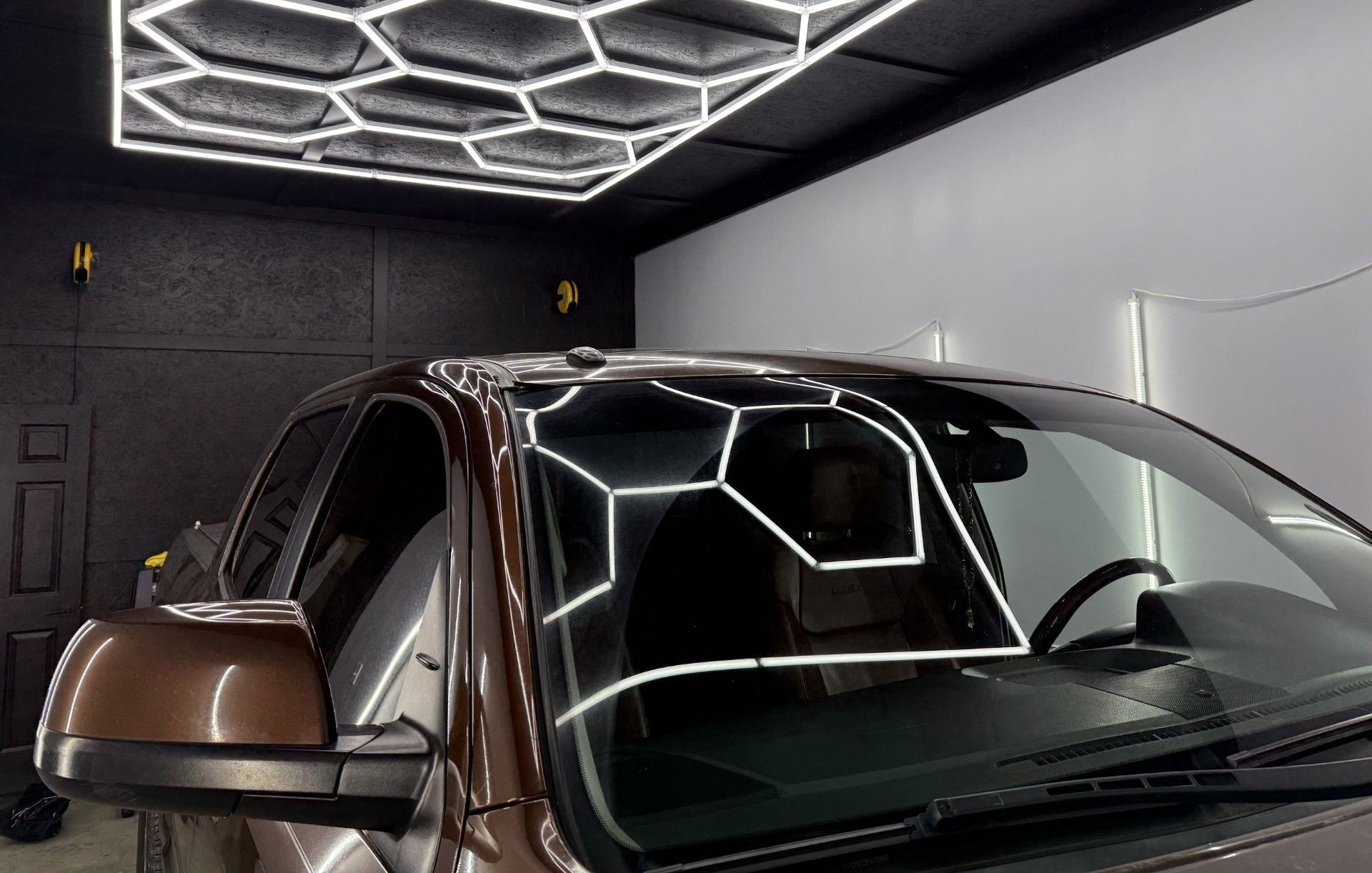
Our shop is the perfect environment for
glass tinting, and we offer a wide range of tint shades to suit every preference. We are a locally owned, family business that cares about Louisiana residents. Hunter makes it a point to personally know every customer because he wants you to be safe out on the roads.