Types of Heavy Equipment Glass Replacement: Flat, Curved, Tempered, and Laminated Explained
Heavy Equipment Glass Replacement: What You Need to Know
Heavy equipment is an integral part of numerous industries, such as construction, mining, and agriculture. One critical aspect of maintaining this equipment is ensuring that the glass components, including windshields and windows, are in optimal condition. Glass replacement becomes necessary when these components are damaged. Understanding the different types of glass available can help you make informed decisions. In this blog, we will explore four significant types of glass used in heavy equipment: flat, curved, tempered, and laminated.
Flat Glass
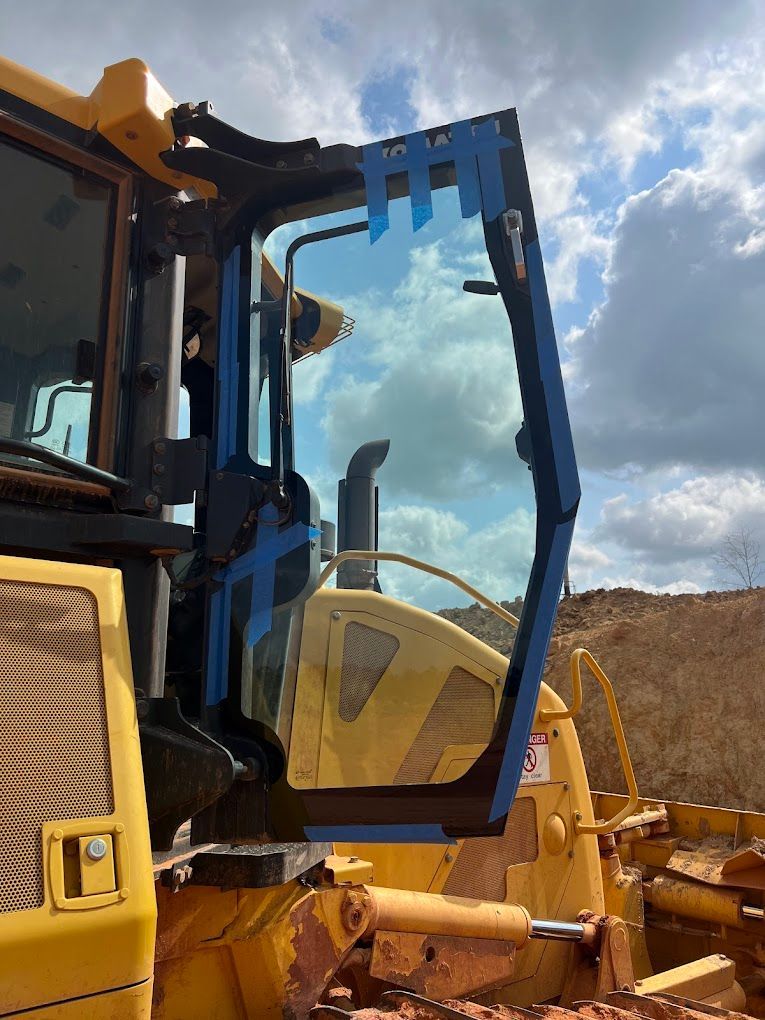
Flat glass is the most straightforward type of glass used in heavy equipment. It is a single pane of glass, typically cut to fit the specific dimensions of a piece of machinery.
- Common Uses: Flat glass is used for side windows and windshields on equipment such as trucks and bulldozers.
- Advantages: It is relatively easy to manufacture and replace, making it a cost-effective option for many heavy equipment applications.
- Disadvantages: Flat glass is more susceptible to shattering upon impact than other types.
Curved Glass
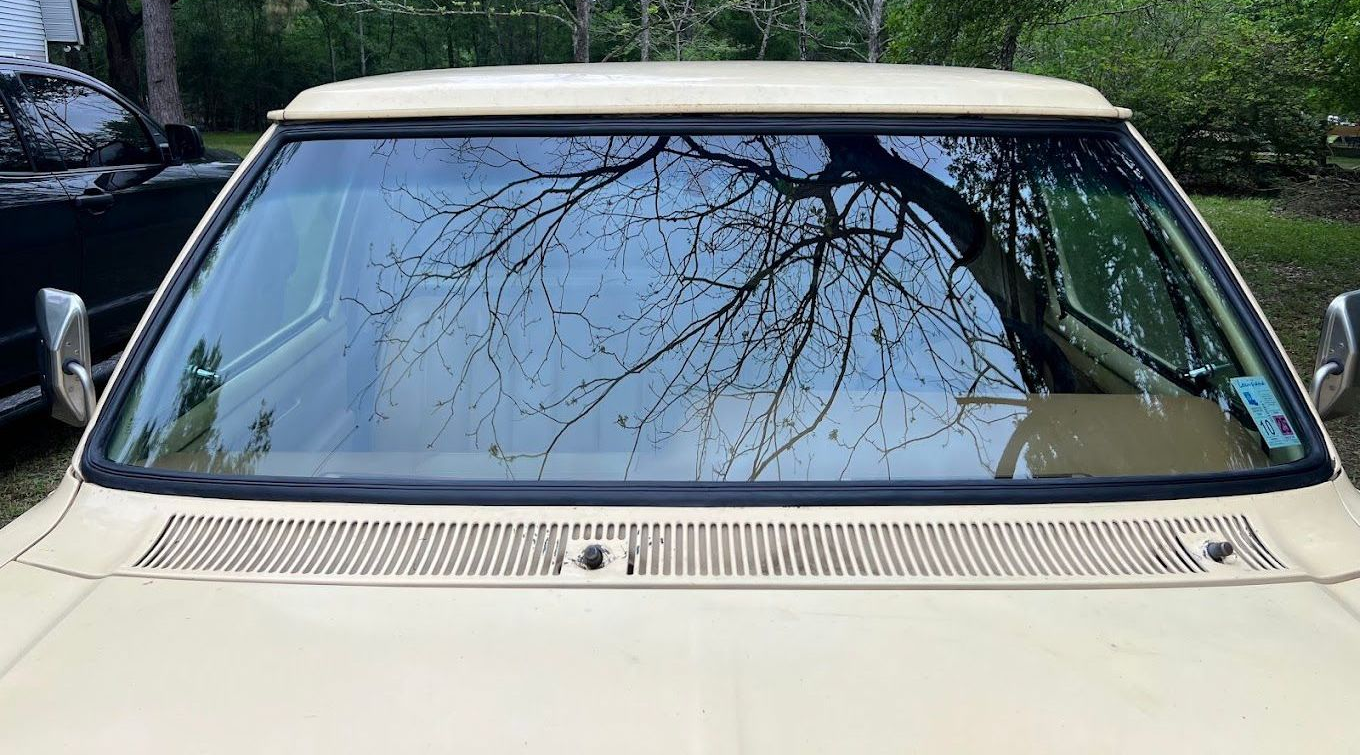
Curved glass is created by bending the glass to form a rounded shape. This type of glass is often used in applications where a tighter fit and aesthetic appeal are desired.
- Common Uses: Curved glass is frequently found in the front and rear windows of excavators, cranes, and some agricultural machinery.
- Advantages: The curvature improves aerodynamics, enhancing fuel efficiency in certain heavy equipment models.
- Disadvantages: Curved glass can be more expensive to replace due to the complexity of its manufacturing and installation.
Tempered Glass
Tempered glass is produced through a process of extreme heating and rapid cooling, making it stronger and more durable than standard glass types.
- Common Uses: This type of glass is ideal for areas that experience high impact or stress, such as windshields and cab windows in heavy equipment.
- Advantages: Tempered glass is five to ten times stronger than regular glass, reduces the risk of injury during breakage, and shatters into small, blunt pieces that are less likely to cause severe injury.
- Disadvantages: Once tempered, the glass cannot be cut or altered, which can lead to additional costs if the replacement isn’t perfectly sized.
Laminated Glass
Laminated glass consists of two or more layers of glass bonded together with a polymer interlayer. This construction makes it another strong option for heavy equipment.
- Common Uses: Laminated glass is widely used in windshields for its superior safety features in heavy machinery such as cranes.
- Advantages: In the event of breakage, the glass remains bonded to the interlayer, minimizing the risk of shards flying and protecting occupants inside the equipment. It also offers added security and can block harmful UV rays.
- Disadvantages: Laminated glass can be heavier than other types, which may impact the overall weight and performance of the equipment.
When it comes to glass replacement in heavy equipment, understanding the types of glass—flat, curved, tempered, and laminated—can significantly improve safety and efficiency. Each type serves specific applications across various machinery, from excavators and loaders to graders and bulldozers.
Choosing the right glass type is crucial for the longevity and performance of your heavy equipment. Consulting with a knowledgeable supplier ensures you make the best decision for your needs. Investing in quality glass not only enhances operator safety on the job but also improves operational efficiency in demanding environments. Always prioritize safety and durability to maintain a productive and secure worksite.
Do You Manage Heavy Equipment in the Covington, LA Area?
If you manage
heavy equipment in
Franklinton,
Mandeville, or the surrounding Northshore areas and are looking to partner with a reliable auto glass provider,
contact us at Hunter’s Auto Glass. We’re a family-owned business with roots right here in Louisiana.